

Mobile Afro hair stylists play a crucial role in celebrating and empowering kinky, curly, and mixed-texture hair. They offer personalized services tailored to the specific needs of Black and Caribbean women. These experienced professionals not only provide expert hair solutions but also bring a true salon experience directly to your home. However, pricing often remains a complex topic for both stylists and clients. This guide aims to help you better understand the rates charged, the factors that influence them, and how to set them fairly.
1. What factors influence pricing?
Many elements come into play when setting prices for afro hair services:
The type of service
Whether it's African braids, cornrows, locs, or weaves, each hairstyle requires specific expertise.
The duration of the service
Long braids, for example, can take several hours of work, while a simple hair treatment will take much less time.
Location
A mobile hairstylist in a large city like Paris will often charge higher rates than in rural areas.
Experience and service quality
Afro hairstylists with years of experience and advanced skills (such as hair makeovers or extension application) justify higher rates.
Materials used
Quality products, such as shea butter, specific shampoos, or hair accessories, directly influence prices.
""A fair price is a balance between time, skill, incurred costs, and client satisfaction."
"
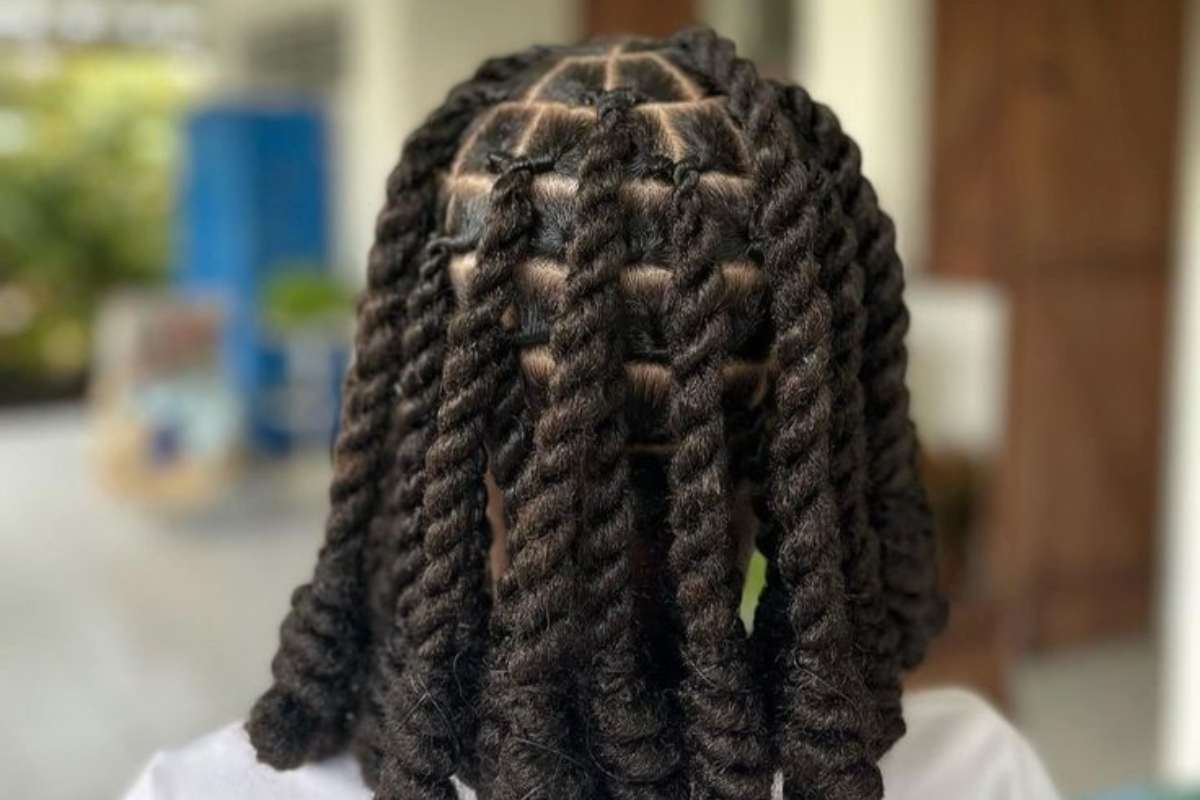
photo credit: Pinterest
2. Average service prices
| Service | Average price range |
|---|---|
| Braids with extensions |
80 € to 200 € |
| Cornrows |
40 € to 100 € |
| Weaves (installation only) |
50 € to 150 € |
| Locs starter |
60 € to 120 € |
| Locs retwist/maintenance |
50 € to 100 € |
| Long twists |
70 € to 150 € |
These prices are indicative. They may vary depending on the city, target clientele, and complexity of the request.
3. Tips for hairstylists: How to set your prices?
-
Calculate your costs
Consider travel, time spent, materials, and social contributions (self-employed = approximately 21%). -
Observe local competition
Compare your services with those of local mobile hairstylists or afro salons. -
Value your skills
If you have undergone training, if you master certain rare techniques, this should be reflected in your prices. -
Be transparent with your clients
Explain what is included in each service (products provided, preparation, advice...)
"Setting a price too low can harm your image. Too high without justification = risk of losing clients. You need to aim for the right balance.
"

4. What clients need to understand
A price is not just a number. It reflects:
- Time invested (often 3 to 6 hours or more)
- Materials used (extensions, treatments, accessories)
- The expertise of a dedicated professional
Tips for clients:
- Preparing your hair before the service can save time (and sometimes lower the price)
- Bring your own extensions if arranged with the hairstylist
- Combine several services (e.g., twists + treatments) for better appointment optimization
5. Professional testimonials
Find interviews with mobile afro hairstylists who share their pricing strategies and field experience:
""Setting your prices is also asserting your value. Clients who understand this return."
"
Setting your prices is not done randomly. It's a professional act that reflects your value, expertise, and commitment. On Zenaba, you are free to set your own rates, but good positioning will help you build a stable, loyal, and respectful clientele.
"Take the time to set your prices carefully, and don't hesitate to adjust them throughout your journey.
"