
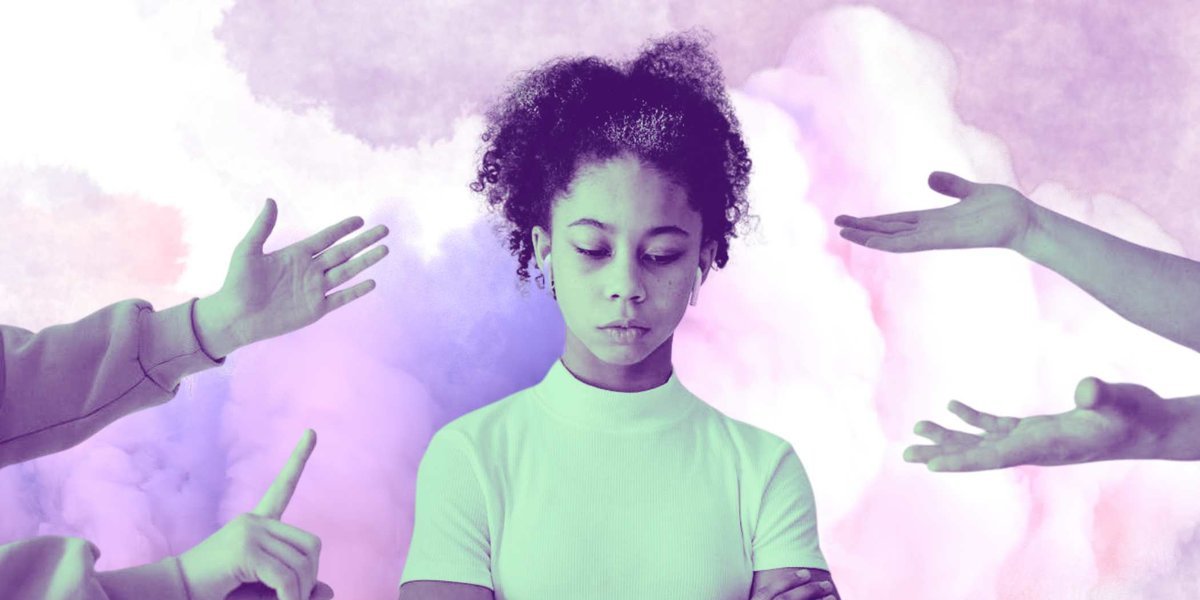
Texturism is a significant issue within the Black community, impacting countless individuals across the African diaspora. This form of hair discrimination, rooted in hair texture, continues to perpetuate harmful stereotypes and negatively affects self-esteem. In this article, we'll delve into what texturism is, its origins, how it impacts us, and effective strategies to combat it. You'll also find valuable references, concrete examples, and insightful documentaries to deepen your understanding of the topic.
What is texturism?
Texturism is a form of discrimination based on hair texture. Essentially, it manifests as a preference for straight or less kinky hair, often considered more beautiful or socially acceptable. This attitude has deep roots in centuries of colonialism and racism, where European beauty standards were imposed on African peoples and their descendants.
Historical Origins of Texturism
Texturism has quite complex historical origins. During the colonial period and slavery, Africans were forced to adopt European beauty standards, viewing their kinky hair as inferior. This perception was reinforced by media, fashion, and the beauty industry, which often favor straight and silky hair.
Manifestations of Texturism
Texturism manifests in several ways:
In the Media
African-American models and actresses with straight hair are often favored.
In the Beauty Industry
Hair straightening products are widely marketed.
In Daily Life
People with kinky hair may experience negative comments or discrimination at work and school.
The Impact of Texturism on Self-Esteem
Texturism can truly undermine self-esteem. Children, in particular, may internalize feelings of inferiority regarding their natural appearance. These psychological impacts can last a lifetime and affect various aspects of their existence.
Concrete Examples
In school settings, children with kinky hair may be mocked or subjected to discriminatory school policies that impose "acceptable" hairstyles.
At work, adults may face prejudice and professional expectations that favor so-called more "conventional" hairstyles.
Personal Testimonies
Numerous testimonies show the impact of texturism. For example, a 2017 study by the Perception Institute Foundation revealed that African-American women felt strong social pressure to straighten their hair to conform to dominant beauty standards.
I Recommend Some Documentaries on Texturism
To deepen your understanding of texturism, here are some recommended documentaries:
- "Good Hair" (2009): Directed by Chris Rock, this documentary explores the various facets of the Black hair industry in America.
- "Hair Love" (2019): An animated short film that celebrates natural hair and won the Oscar for Best Animated Short Film.
- "Back to Natural" (2019): This documentary examines the relationship between natural hair and Black identity.

What are the Solutions to Combat Texturism?
Education and Awareness
Education is key to combating texturism. Raising awareness among younger generations about the beauty and diversity of natural hair is essential. Schools and parents can play a crucial role by teaching self-acceptance and celebrating hair diversity.
Positive Representation
Increasing positive representation of kinky hair in media and advertising can change perceptions. Advertising campaigns featuring models with natural hair can help normalize and value all hair textures.
Anti-Discrimination Policies
In France, a major legislative advancement has recently been made to combat hair discrimination. In 2023, a law championed by Deputy Olivier Serva was adopted, aiming to prohibit all forms of discrimination based on hair texture or style. This law, inspired by similar initiatives such as the CROWN Act in the United States, marks an important step towards equality and the recognition of the rights of people with natural hair.
It stipulates that any discrimination based on natural hairstyles, including afros, dreadlocks, braids, and other traditional styles, is now illegal in professional and educational settings. This legislation responds to a growing demand from the Afro-descendant community and its allies, who have long denounced prejudices and stereotypes related to kinky and textured hair. By enacting this law, France officially recognizes hair diversity and commits to protecting the rights of all its citizens, thereby contributing to a more inclusive and respectful environment.
The Importance of Communities
Creating and supporting communities where people can share their experiences and find support is also vital. Social media and online forums can be valuable spaces for exchanging advice, stories, and encouragement.
Texturism is a pervasive problem that requires collective action to be eradicated. By educating, raising awareness, and celebrating the diversity of natural hair, we can begin to dismantle negative stereotypes and promote true self-acceptance. The solutions are numerous, but every small action counts in the fight against this scourge.